Arlington Equine

Call Directions Website Contact the business

Arlington Equine We are an ambulatory equine veterinary practice servicing southern Vermont, as well as bordering are

We have witnessed and experienced the magnitude of the bond between horses and humans. We believe our purpose at Arlington Equine is to enrich that bond by keeping your horse healthy for as long as possible. You’ve shared with us the bond that comes with the miracle of life in foaling and the heartbreak of the death of your 40 year old horse who taught three generations to ride. It’s what gets us out of bed at 2 am on the coldest of winter nights. It is why we strive to provide the highest standard of hospital caliber care, integrity, and compassion. It is why we consider preventative medicine paramount, and always keep it in the forefront of our minds. Simply put, it is our respect for and wonderment of the horse that drives our passion to be the best for you and your horse. We devote ourselves to gaining knowledge through the most current continuing education. We dedicate resources to obtaining the most advanced technology available in the field. We pledge to bring you peace of mind that we will be there for your horse’s emergency, 24/7, 365.

10/21/2026

This made me smile! Enjoy this beautiful day!

10/20/2026

🧓🐴 Infographic Thursday! As horses age, their care needs change in important ways. This new Senior Horse Care infographic, based on Rutgers research, highlights key management considerations for older horses — including dental care, body condition monitoring, joint comfort, and routine health checks.
Senior horses often appear healthy on the surface, but subtle changes in weight, coat quality, mobility, or attitude may indicate the need for targeted management adjustments.
For more information on this topic see the Rutgers Fact sheet: https://njaes.rutgers.edu/e296/
💬 At what age do you start thinking of a horse as a “senior” in your barn or program?

10/06/2026
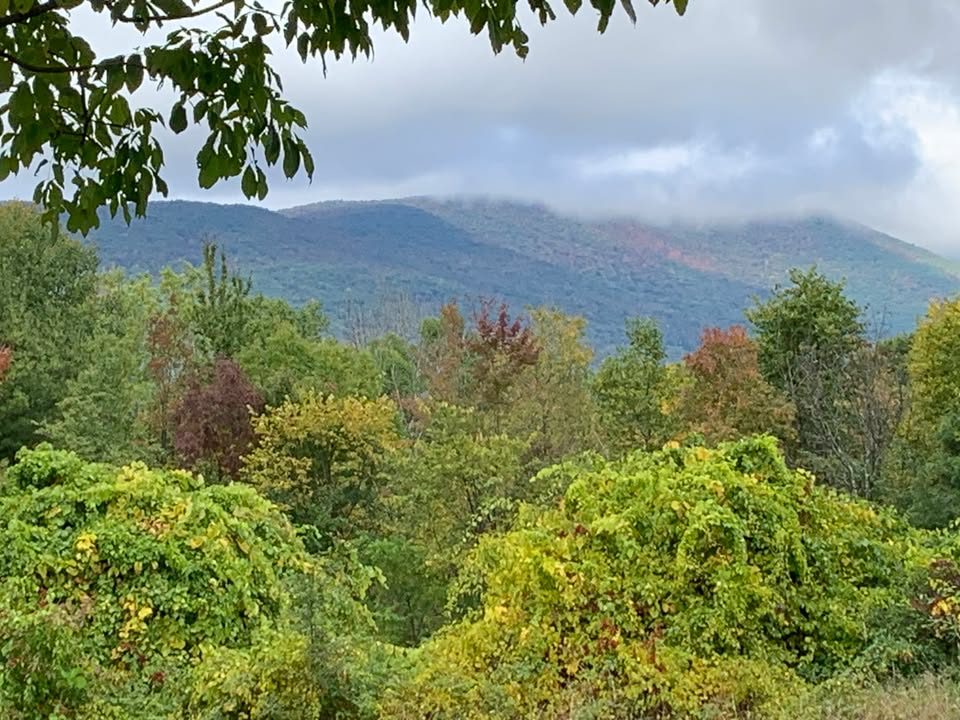
Fun walk with Maya on the farm yesterday!  This is such a special time of year here in Vermont. Enjoy!
09/30/2026

Fun walk with Maya on the farm yesterday! This is such a special time of year here in Vermont. Enjoy!

09/03/2026
09/02/2026

The horse lived in Indian River County and was euthanized.

07/29/2026

Summer is peak season for ticks. A daily grooming session is a good time to inspect horses - don't forget to check their legs and bellies!

07/16/2026

🔥 Wildfire Smoke & Horse Health 🐴💨
Poor air quality can be harmful not only to us but our horses too. Smoke from wildfires can irritate a horse's respiratory system and cause fatigue, coughing, difficulty breathing, etc.
You can monitor local air quality at www.airnow.gov. During periods of poor air quality, you can protect your horse's health by:
🐎 Limiting or avoiding exercise.
💧 Providing free access to fresh water.
💦 Controlling dust such as watering dry lots and soaking or feeding dust-free hay.
🕰 Allowing time for recovery: airway damage from wildfire smoke takes 4 to 6 weeks to heal after air quality returns to normal.
☎️ Consult your vet if you notice signs of smoke irritation.
For more information visit: http://ceh.vetmed.ucdavis.edu/.../wildfire-smoke-and-horses See less

06/23/2026

Equine asthma is a breathing problem caused by inflammation in the airways. It can range from mild to severe, but across all forms, one thing matters most: reducing dust and irritants in the horse's environment.

What many owners think of as "dust" is more than just visible dirt. It can include bacteria, mold and fungal spores, mites, endotoxins, and other tiny particles that trigger inflammation in the lungs. Some of the worst particles are actually too small to see.

The key is the horse's breathing zone - the air right around the nose. Dust in that area matters much more than dust elsewhere in the barn. Even a stable that looks clean can still have harmful tiny particles in the air.

Common dust and irritant sources can include:
• Hay
• Bedding
• Sweeping or mucking stalls
• Barn blowers
• Round bale feeding
• Very dry, windy conditions
• Pollens or other allergens
• Unusual triggers like nearby manure piles, chemical sprays, chickens, or certain bedding materials

Management often focuses on lowering dust exposure:
• Reconsidering hay and bedding
• Using wood shavings
• Feeding a pelleted diet or hay cubes
• Soaking hay
• Steaming hay correctly
• Considering haylage
• Avoiding round bale feeding in horses prone to severe asthma

Note that medication may help control inflammation or open the airways, but there is no replacement to environmental management. Long-term improvement depends on reducing dust in the horse's environment, especially in the breathing zone.

If you have questions or concerns about your specific equine, contact your veterinarian.

Address

Pullman Farm, 969 Trumbull Hill Rd
Shaftsbury, VT
05262

Alerts

Be the first to know and let us send you an email when Arlington Equine posts news and promotions. Your email address will not be used for any other purpose, and you can unsubscribe at any time.

Contact The Business

Send a message to Arlington Equine:

Shortcuts

Share

Category

Nearby pet stores & pet services